
Every real estate asset class has unique strengths and risks that should be carefully considered before investing. Self-storage is no exception. Over the years, self-storage has continued to stand out as one of the more resilient and operationally flexible sectors within commercial real estate.
At SMK Capital Management, we continue to monitor self-storage closely because of its historically strong demand drivers, relatively low operating costs, and ability to perform well across different market cycles.
While no investment is guaranteed and every market carries risk, self-storage has demonstrated several characteristics that continue to make it attractive for long-term investors seeking passive income and appreciation potential.
Below are four reasons why we continue to like the self-storage sector.
4 REASONS WHY WE LOVE SELF-STORAGE
1. Consumer Spending Continues to Rise
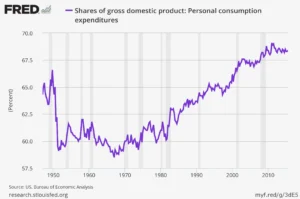
The U.S. economy continues to rely heavily on consumer spending, which has historically represented more than 70% of the country’s GDP. As consumers purchase more household goods, furniture, recreational equipment, and business inventory, the demand for additional storage space naturally increases as well.
At the same time, many homes and apartments have become more space constrained, creating additional need for off-site storage solutions.
It is estimated that nearly 10% of American households currently rent a self-storage unit.
Demand for storage is also driven by everyday life events such as:
- Relocation
- Downsizing
- Divorce or marriage
- Retirement
- College transitions
- Military transfers
- Small business inventory needs
These long-term demographic and lifestyle trends continue supporting the self-storage industry across many U.S. markets.

2. Demand For Self-Storage Increases During Volatile Times
One unique characteristic of self-storage is that demand can often remain stable and sometimes even increase during periods of economic uncertainty.
During recessions or financial stress, people frequently experience major life transitions including:
- Foreclosures
- Employment changes
- Downsizing
- Delayed home purchases
- Relocations
- Moving back home from college
These situations often create additional need for temporary or long-term storage space.
Historically, self-storage facilities performed relatively well during the 2008–2009 recession compared to many other commercial real estate sectors. During that period, several self-storage REITs generated positive returns while broader REIT markets experienced substantial declines.
While past performance never guarantees future results, this historical resilience is one reason many investors continue viewing self-storage as a defensive commercial real estate asset class.
3. Ability to Increase Rental Rates Efficiently
Self-storage facilities often have operational advantages that can make rental income growth more flexible compared to many traditional property types.
Once tenants move belongings into a storage unit, the inconvenience and expense of moving those items again can be significant. Because of this, moderate rent increases often do not create the same level of tenant turnover seen in some other real estate sectors.
Many storage facilities also operate using month-to-month leases, allowing operators greater flexibility to adjust rental pricing based on occupancy levels and local market demand without waiting for long lease terms to expire or experiencing large swings in occupancy.
As rental income increases, the overall property valuation may increase significantly as well since commercial real estate values are closely tied to net operating income.
This flexibility is one reason many investors continue to favor self-storage investing.
4. Low Development, Operating & Maintenance Costs
Compared to many commercial real estate asset classes, self-storage facilities can often operate with relatively low overhead and maintenance costs.
Many facilities do not require large staffing teams to operate efficiently. In some cases, a 500+ unit facility can be managed with only one or two employees, especially as automation technology continues improving throughout the industry.
Many operators now utilize:
- Automated payment systems
- Online leasing
- Remote gate access
- Security monitoring systems
- Digital customer communication tools
Maintenance costs also tend to be lower because storage units are commonly built using concrete and lightweight metal materials with limited plumbing or electrical and fewer interior finishes compared to apartments or office buildings.
This simpler construction style can help reduce:
- Repair costs
- Ongoing maintenance expenses
- Operational complexity
- Future renovation costs
For investors seeking operational efficiency, scalability, and long-term demand drivers, self-storage continues to remain an attractive commercial real estate sector.
At SMK, we continue evaluating self-storage opportunities that align with our long-term investment philosophy and disciplined underwriting approach.
Through strategic partnerships and private syndications, we aim to provide investors with passive real estate opportunities designed for:
- Consistent cash flow
- Long-term appreciation
- Portfolio diversification
- Attractive risk-adjusted returns