
Industrial Real Estate Investing for Accredited Investors
Some of the most dependable income in commercial real estate comes from buildings most people drive past without noticing. Warehouses, contractor yards, truck terminals, and small flex spaces house the businesses that keep the economy moving, and those businesses rarely leave.
Industrial real estate combines several traits that are hard to find in one asset class: high occupancy, long-term leases, contractual rent growth, and tenants who pay most or all of the property's operating expenses. For passive investors, that adds up to predictable cash flow that doesn't depend on speculative appreciation.
At SMK Capital Management, we screen hundreds of opportunities each year and invest in only a select few. In industrial, we focus on three subsectors where we believe the risk-adjusted returns are strongest: triple net sale leasebacks, industrial outdoor storage (IOS), and small bay industrial.
Investment Thesis: Why Industrial Real Estate
1. Consistently High Occupancy
Industrial has been one of the strongest-performing commercial real estate sectors for more than a decade. Demand comes from e-commerce, last-mile delivery, domestic manufacturing, and the thousands of local service businesses that need space to store equipment and inventory. Once a tenant installs racking, equipment, power upgrades, and specialized improvements, moving becomes expensive and disruptive, so renewal rates tend to be high.
The subsectors we target are tighter still. Industrial outdoor storage was approximately 96% occupied nationwide as of Q2 2026 (3.6% vacancy, per CBRE), compared with 6.5% vacancy for the industrial sector overall. Sale leasebacks are 100% occupied at acquisition because the seller becomes the tenant.
2. Inflation Resistance Through Absolute Triple Net Leases
Under an absolute triple net (NNN) lease, the tenant pays property taxes, insurance, and all maintenance and repairs, including the roof and structure. When those costs rise with inflation, the increase is paid by the tenant, not the investors. This protects the property's net operating income from the expense creep that erodes returns in many other asset classes.
3. Built-In Annual Rent Escalations
Most industrial leases include fixed annual rent increases, commonly in the 2–3% range. Because expenses are passed through to the tenant, those escalations go straight to net operating income. The result is contractual income growth that compounds year after year, and it doesn't rely on market rent growth.
4. Low Capital Expenditures and Management Intensity
Compared with apartments or hotels, industrial buildings are simple to operate. There are no unit turns, amenity packages, or daily resident issues. Fewer moving parts mean fewer surprises in the operating budget, and more of the rent reaches investors.
5. Supply Constraints in the Right Locations
Well-located industrial land near population centers is scarce, and many municipalities restrict new industrial zoning. Rising construction and land costs mean that replacing an existing building often costs more than buying one. Acquiring below replacement cost provides a margin of safety that new development cannot offer.
The Industrial Subsectors We Target
Net Sale Leaseback
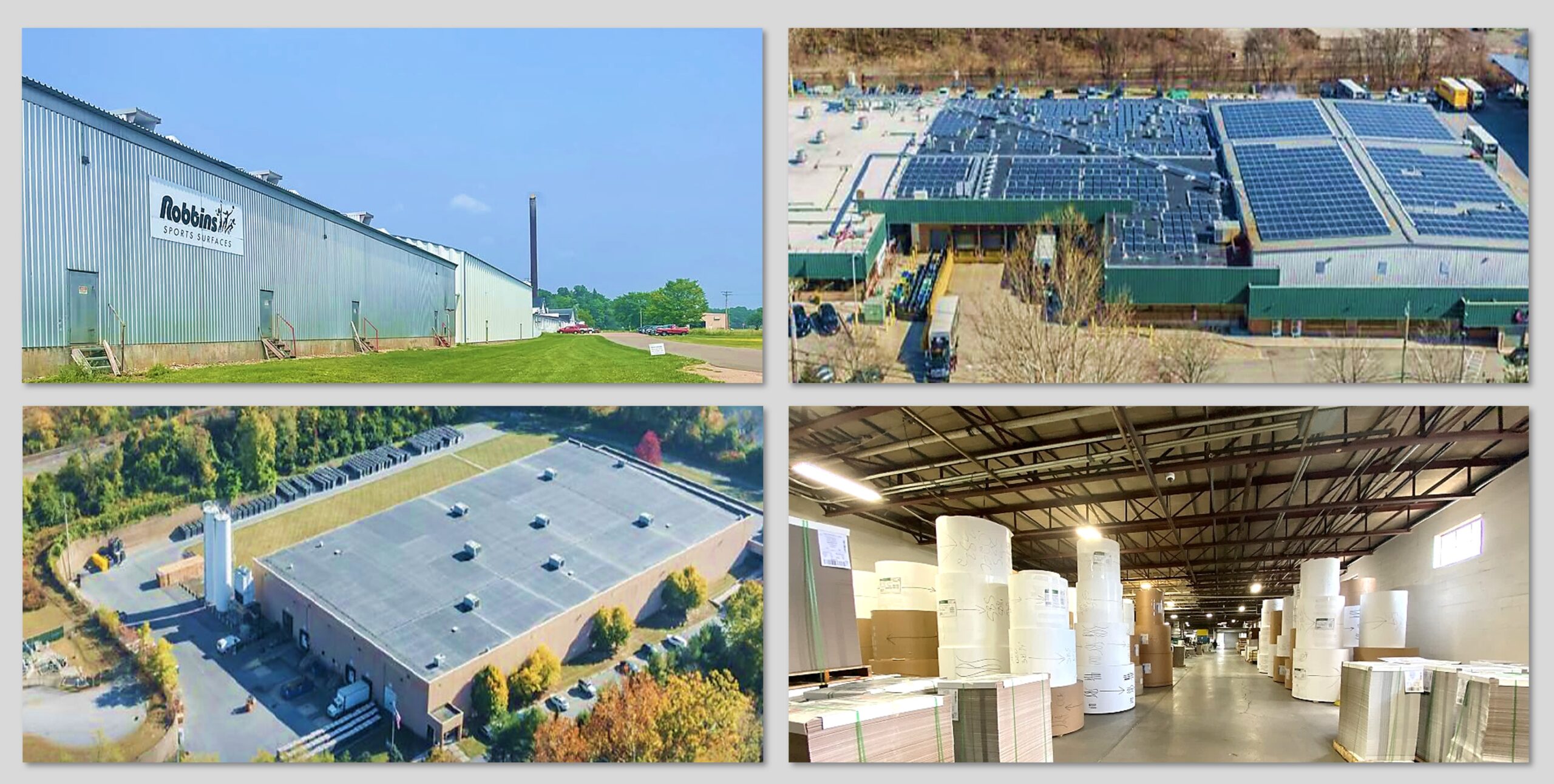
In a sale leaseback, a business owner sells the property it occupies to an investor and simultaneously signs a long-term lease to remain in the building. The seller unlocks capital tied up in real estate to reinvest in its operations, and the investor acquires a property with a committed tenant from day one.
These transactions are typically structured with absolute NNN leases, terms of 10 to 20+ years, and fixed annual rent escalations. Because the tenant has occupied the building for years and chose to stay, these are often mission-critical facilities central to the tenant's business. The investment is underwritten primarily on the tenant's credit and the long-term value of the real estate

Industrial Outdoor Storage (IOS)
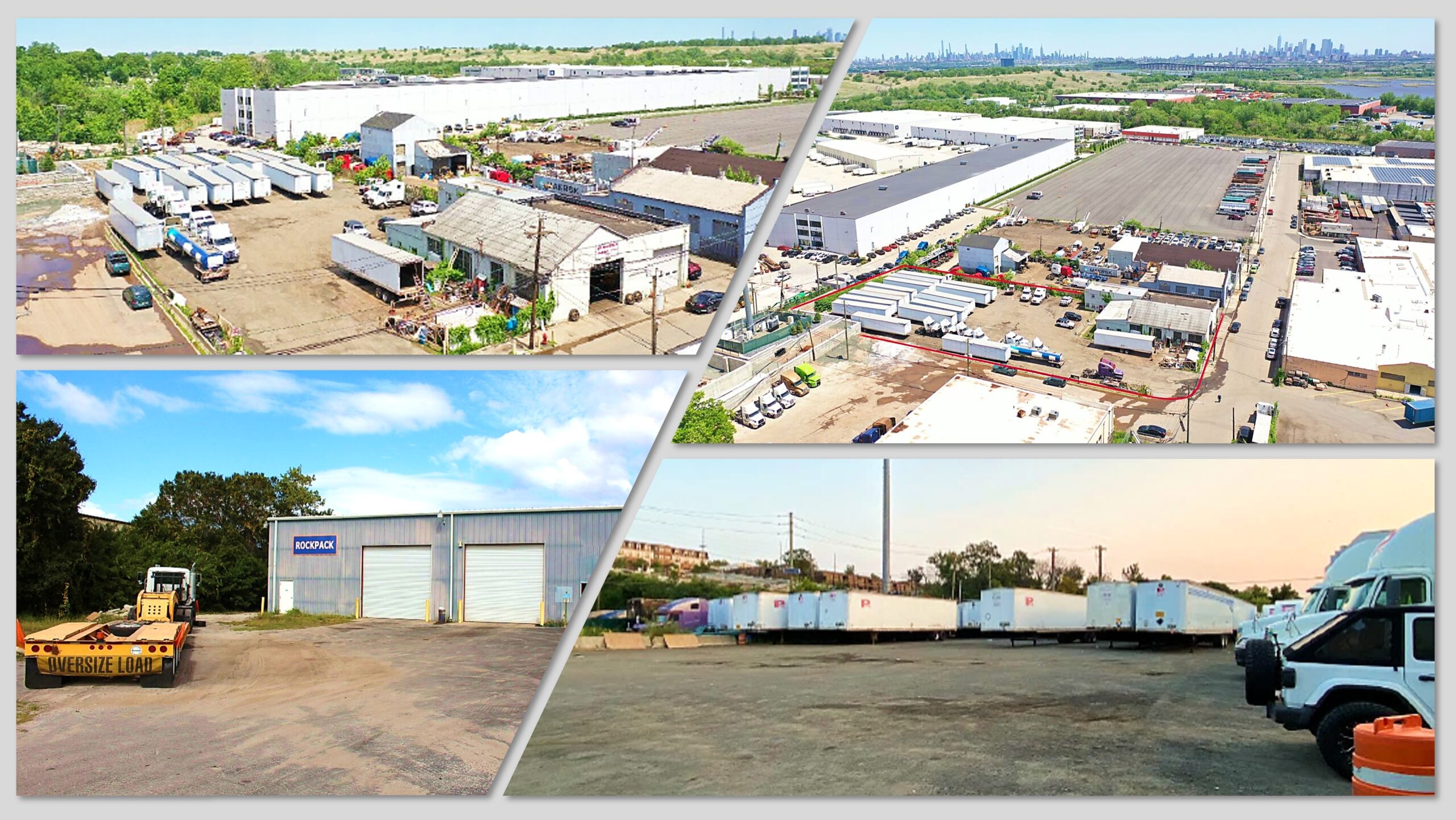
Industrial outdoor storage refers to properties that are mostly land, with small buildings or none at all. Tenants use the space for truck and trailer parking, equipment staging, construction materials, and fleet storage. Common users include logistics companies, contractors, utilities, and equipment rental firms.
IOS has several structural advantages. Because the value lies primarily in the land, there is little building to maintain and capital expenditures are minimal. Supply is limited, as many cities are reluctant to zone new land for outdoor storage. Historically, the sector was dominated by small local owners, which created pricing inefficiencies, and institutional capital has only recently begun to enter the space.
Small Bay Industrial
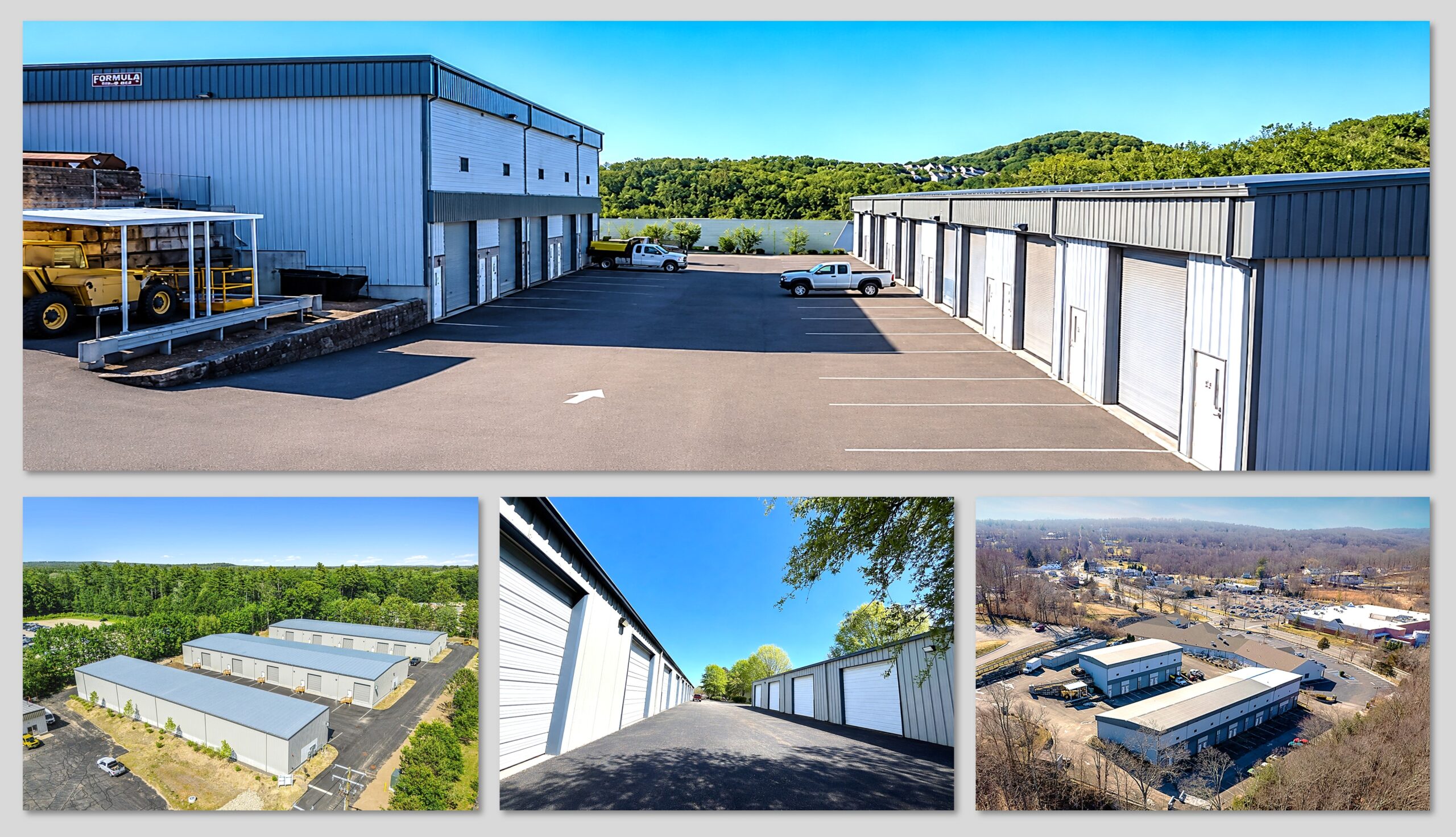
Small bay industrial consists of multi-tenant buildings divided into smaller units, typically leased to local and regional businesses such as contractors, service companies, distributors, and e-commerce operators.
Small bay is among the tightest segments of the industrial market. New development has focused on large distribution warehouses, leaving relatively little new small bay supply. Demand from small businesses is broad and steady. With many tenants per property, no single vacancy has a significant effect on income. Shorter lease terms also allow rents to be marked to market more frequently, providing another layer of inflation protection.
Triple Net vs. Absolute Triple Net: What's the Difference?
A triple net (NNN) lease requires the tenant to pay the three main property expenses: property taxes, insurance, and maintenance. However, many standard NNN leases still leave the landlord responsible for the roof, structure, and parking lot.
An absolute triple net lease shifts all of those obligations to the tenant, including major structural repairs and replacements. For investors, this is about as close to a pure income stream as real estate gets. Rent comes in, and expenses are the tenant's responsibility. Combined with annual escalations, absolute NNN leases can deliver steady, growing cash flow with very little exposure to rising operating costs.
Target Investment Parameters
Our industrial investments are structured to generate income from day one. Many of these opportunities are projected to provide investors with:
- Year-one cash flow: 5% – 8%
- Average annual ROI: 12% – 15%
- Equity multiple: 1.7x – 2.0x
All projected returns are net of all fees and splits at both the operating partner and SMK level. Projections are not guarantees, and actual results may vary. Specific terms for each offering are disclosed in its private placement memorandum.
What We Look For in an Industrial Investment
Not every industrial opportunity is built equally. Every deal we consider is evaluated across the tenant, the real estate, and the deal structure.
Tenant Credit and Lease Quality
- Tenant financial strength, operating history, and corporate or personal guarantees
- Remaining lease term and renewal history
- Absolute NNN structure with contractual annual escalations
- How critical the facility is to the tenant's operations
Location and Real Estate Fundamentals
- Infill locations near population centers, highways, and ports
- Functional buildings with adequate clear height, loading, power, and yard space
- Purchase price relative to replacement cost
- Alternative uses and re-leasing potential if the tenant vacates
Deal Structure and Debt
- Conservative leverage and fixed-rate debt where possible
- Positive leverage, where the going-in cap rate exceeds the cost of debt
- Stress testing for tenant default, extended vacancy, and higher exit cap rates
- Operating partners with their own capital invested alongside ours
If an investment only works under ideal conditions, we pass.
How SMK Invests in Industrial Real Estate
SMK Capital Management partners with experienced industrial operating partners who have proven track records in their specific subsectors and markets. Our operating partners handle acquisitions, leasing, and day-to-day property operations. SMK remains actively involved as fund manager through ongoing asset management oversight, financial reviews, and regular calls with our operating partners to ensure each business plan is executed as intended.
Investors participate passively and receive quarterly updates on property performance, tenant activity, and distributions. You get exposure to institutional-quality industrial real estate without the responsibilities of ownership.